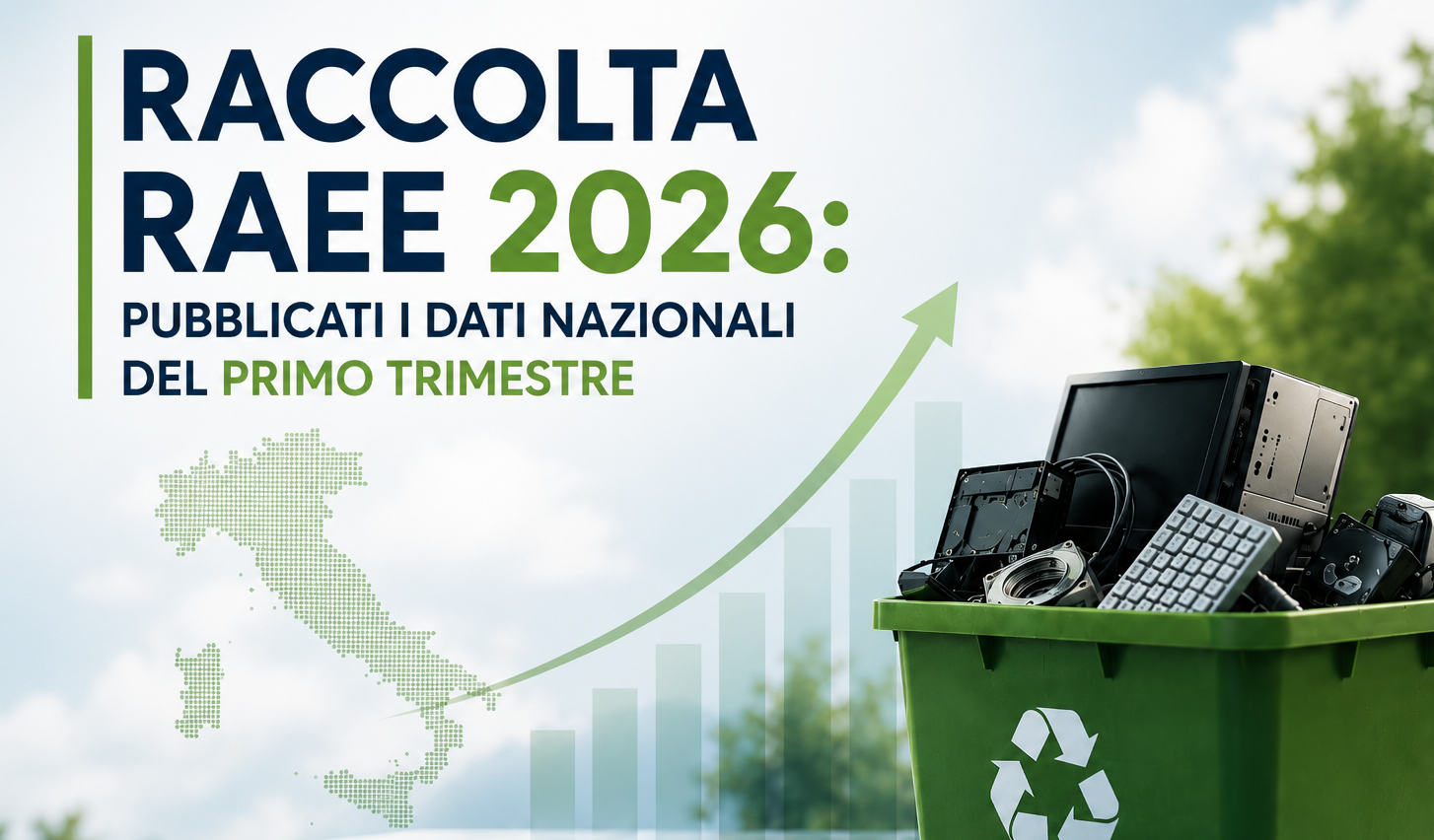

Electronic waste represents one of the most challenging environmental challenges of our time. With technological advancement and planned obsolescence, the amount of electrical and electronic equipment destined for disposal is steadily increasing.
In this comprehensive guide, we will explore everything there is to know about WEEE, from its definition to current regulations, through how it is recycled and the importance of responsible handling.
What is WEEE?
WEEE, which stands for Waste Electrical and Electronic Equipment, is all those devices powered by electricity or electromagnetic fields that, once they reach the end of their life, become waste.
Definition of WEEE Waste
According to European regulations, WEEE includes a wide range of products: from everyday household appliances such as refrigerators and washing machines, to electronic devices such as computers, cell phones and televisions. The common characteristic is the use of electricity to operate them. But what does WEEE waste mean in practical terms? It means that this waste contains materials that are potentially hazardous to the environment and human health if not managed properly, but also valuable resources that can be recovered through recycling.
Types of WEEE
WEEE is classified into different categories to facilitate its management and recycling. How many types of WEEE are there? There are six main categories in the regulations:
- Temperature exchange equipment: refrigerators, freezers, air conditioners. They contain refrigerants that are harmful if released into the environment.
- Screens, monitors and equipment with screens larger than 100 cm²: televisions, computer monitors, large tablets. They often contain mercury and other toxic materials.
- Lamps: energy-saving bulbs, fluorescent lamps. Require specific treatment due to mercury content.
- Large appliances: washing machines, dishwashers, ovens. They are composed of various recoverable materials such as metals and plastics.
- Small appliances: toasters, irons, cell phones, electronic toys. They account for a large amount of waste because of their widespread use.
- Small computing and telecommunications devices: smartphones, routers, GPS. They contain precious metals such as gold and silver.
What are the five categories of WEEE? Before the Open Scope, there were ten categories, but for simplification we often refer to these six main categories.
WEEE Regulations and Laws
WEEE management is regulated at both European and national levels. In Italy, Legislative Decree No. 49/2014 implements European Directive 2012/19/EU, establishing specific obligations for producers, distributors and citizens. These regulations aim to:
- Reduce the environmental impact of e-waste through recycling and reuse.
- Promote the efficient use of resources by recovering secondary raw materials.
- Prevent the release of hazardous substances into the environment.
Penalties for noncompliance can be severe, including fines and, in some cases, criminal liability.
Roles and Responsibilities in WEEE Management.
The proper management of WEEE involves several actors, each with specific roles and responsibilities.
- Producers: must register with the National Register of EEE Producers and finance the collection, treatment and disposal of WEEE, often through specialized consortia. They must also ensure that their products are designed with the possibility of disassembly and recovery in mind.
- Distributors: are obliged to take back WEEE from consumers free of charge when buying a new equivalent product, according to the "one-for-one" principle. In addition, for small devices (less than 25 cm), they must also offer free take-back without a purchase obligation ("one-for-zero").
- Citizens: they have a duty to deliver WEEE to authorized collection centers or outlets that offer pickup service. Throwing WEEE in undifferentiated waste is prohibited and harmful to the environment.
- Local authorities: responsible for organizing collection centers in the territory, they must ensure that citizens have access to adequate facilities for the disposal of WEEE.
The Open Scope Legislation and Its Implications
As of August 15, 2018, the Open Scope regulations came into effect, expanding the definition of WEEE to include a wider range of equipment. This change was introduced to close previous loopholes and ensure more efficient e-waste management.
Changes in Separate Collection Following the Open Scope
With the Open Scope, many previously excluded appliances are now considered WEEE, such as:
- Electrical cables and extension cords
- LED Tubes
- Uncontaminated medical devices
This has led to an increase in the categories of e-waste to be handled and has made the proper separate collection of electronic equipment even more important. Citizens need to be aware of these changes to contribute effectively to the recycling system. Companies need to check whether their equipment falls into the new categories to ensure compliance with regulations.
WEEE Recycling: Processes and Importance
Recycling of WEEE is essential to recover valuable materials and reduce environmental impact. The recycling process involves several steps:
- Collection: WEEE is collected from authorized centers or picked up by distributors.
- Transportation: waste is transported to specialized facilities.
- Treatment: separation of hazardous components, disassembly and sorting of materials.
- Recovery: recoverable materials are processed to be reintroduced into the production cycle.
- Disposal: non-recoverable parts are disposed of safely.
How to Recycle WEEE
Where should WEEE waste be dumped? Citizens can bring their WEEE to:
- Municipal collection centers: known as ecological islands, where WEEE can be delivered free of charge.
- Points of sale: many electronics stores offer free pickup service, even with no obligation to purchase, for small devices ("one-for-zero" principle).
- Home pickup services: offered by some municipalities for large WEEE such as refrigerators and washing machines.
In the corporate environment, it is important to rely on licensed operators for the proper disposal of professional WEEE. Companies must maintain loading and unloading records and can benefit from dedicated services that ensure regulatory compliance.
The Problem of Raw Materials in WEEE Recycling.
Recycling WEEE enables the recovery of raw materials such as precious metals (gold, silver, platinum) and rare earths, which are essential for the production of new electronic equipment. However, the growing demand for these materials and their limited availability highlight the need for responsible recycling. Not only does it avoid the extraction of new resources, often in countries with poor environmental and social protections, but it also reduces the environmental impact associated with landfilling or incineration.
The cost of WEEE is not only measured in economic terms, but also in environmental and social terms. Proper management of e-waste can contribute to:
- Reduce pollution: avoiding the dispersion of harmful substances such as lead, mercury and cadmium.
- Conserving natural resources: limiting the extraction of raw materials.
- Promoting the circular economy: creating jobs in the recycling and recovery sector.
Conclusion
The proper management of WEEE is a shared responsibility that requires the commitment of everyone: producers, distributors, public agencies and citizens. Through knowledge of regulations, such as Open Scope, and disposal methods, we can actively contribute to environmental protection. Recycling WEEE is not only a legal obligation, but a moral duty to future generations.
It is important to remember that every small gesture counts. When we ask ourselves where we throw away WEEE waste, we need to think about the impact our choice will have on the environment and society. Let's find out about the services available in our city, such as free WEEE disposal, and make the most of them. If you live in a big city like Milan, the municipality offers several services for WEEE disposal Milan, including ecological islands and special collections.
We actively participate in WEEE recycling, not only to comply with laws, but to contribute to a sustainable future. Only through collaboration and awareness can we effectively address the e-waste challenge.