
The amount of electronic waste worldwide is growing at a record pace.
That's why we at SINAB are putting you to the test, helping you dispel some myths and become increasingly aware of the processes that drive e-waste, so that you can fully understand how we can all do our bit to reduce pollution and reuse resources.
LET'S GET STARTED!
- In just one year, we produce enough electronic waste to fill 1.55 million trucks.
✅ TRUE!
This data comes from the Global E-waste Monitor 2024 (UN/UNITAR/ITU).
In 2022, the world generated 62 million tons of electronic waste.
To give an idea, the report translates this number into a visual image: approximately 1.55 million 40-ton trucks filled with WEEE.
- Most electronic waste is recycled correctly.
❌ FALSE!
This is one of the most common beliefs.
In reality, in 2022 only about 22.3% of WEEE was collected and recycled in a documented manner, i.e., within official and controlled supply chains.
This means that almost 4 out of 5 WEEE items are not managed correctly: they may end up in unsorted waste, be treated poorly, or get lost in untracked circuits.
That's why disposing of WEEE correctly is essential: it's the first step in ensuring it enters the secure supply chain.
- On average, each person produces less than 1 kg of electronic waste per year.
❌ FALSE!
In 2022, the global average was approximately 7.8 kg of WEEE per person.
This figure is surprising because it shows us how much electronics are now part of everyday life: not only large appliances, but also small technological devices that we change frequently.
We should also think about how quickly we buy things and, consequently, throw them away: is this necessary? Can it be avoided?
- By 2030, electronic waste could reach 82 million tons per year.
✅ TRUE!
According to UN projections, if we continue at this rate of consumption and disposal, by 2030 we could find ourselves having to manage around 82 million tons of electronic waste per year.
The problem will not be solved by technology alone: the more devices we use, the more waste we generate.
This requires increasingly effective collection systems and active citizen participation.
- Batteries that are not disposed of correctly are one of the leading causes of fires in facilities.
✅ TRUE!
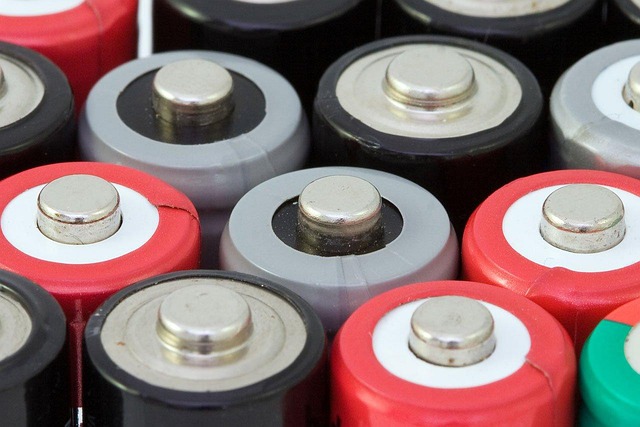
Lithium batteries are among the most delicate components of electronic waste.
If they end up in unsorted waste and are crushed during collection or treatment, they can overheat and cause fires.
For this reason, batteries and electronic devices should never be thrown away in the black bag: they must be disposed of through dedicated and secure channels.
THIS WASN'T JUST A QUIZ...
The world produces millions of tons of electronic waste, yet it all starts with a very simple gesture: the choice we make when an electrical or electronic device no longer works.
If we take it to the official channels, it becomes recovery and security. If we throw it in the wrong place, it gets lost.
The rule is simple: never in the unsorted waste.
We always take WEEE to the municipal collection center or, if applicable, to electronics stores.
With a single choice , we can make the difference between waste and resources.