2024: growth in battery collection in Italy (+10.5%) — trends, causes, and operational proposals
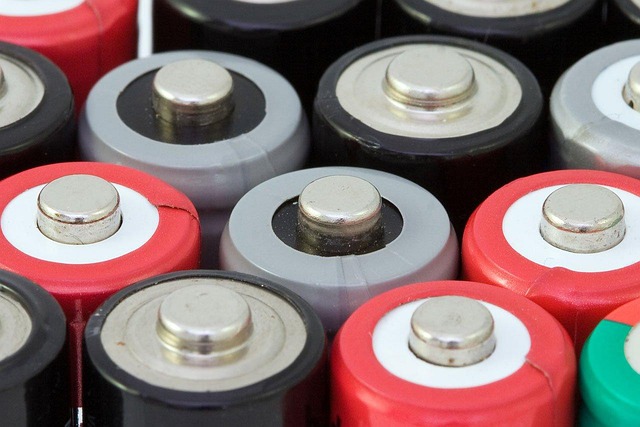
In 2024, Italy recorded a significant recovery in the collection of portable batteries: 10,383,926 kg collected, an increase of 10.5% compared to 2023, bringing the collection rate back to 36.47%. This result, which is positive in substance, should be read in light of new European regulations and regional collection dynamics.
1. The numbers at a glance
- Quantities harvested: 10,383,926 kg (2024).
- Year-on-year growth: +10.5% (+985,000 kg).
- Collection rate: 36.47% (up from 30.66% in 2023).
- CDCNPA collection points: from 13,080 to 14,692 (net increase).
2. Why it has increased — the regulatory effect
The EU Battery Regulation (2023/1542), which came into force in August 2023 and has been applied since February 2024, has redefined the classification of certain types of products. In fact, some items are no longer counted as "portable batteries," and therefore the basis for calculating the amount placed on the market changes: this may make the collection rate appear higher for the same amount collected. It is therefore essential to distinguish between real growth in collection and accounting impacts due to reclassifications.
3. Territorial distribution
- North: accounts for most of the volume (7,432,029 kg), but with modest growth (+6%).
- Center: 1,765,698 kg (+17%).
- South and Islands: 1,293,833 kg (+41%) — the highest percentage growth. These results show that the increase is not uniform: the South is catching up more quickly, while the North remains the absolute leader in terms of volume.
4. Industrial and vehicle batteries
There has also been significant growth in the collection of industrial and vehicle batteries: +32%, for a total of 130,758,929 kg collected, again compared to 2023. This result indicates an overall recovery in the battery management circuit, even in more structured areas.
5. Interpretation and operational recommendations
- Check the data carefully: when evaluating trends in rates (%), it is necessary to consider changes in the regulatory framework.
- Strengthen collection points: the increase in points (+1,612) is positive; continue to invest in the capillarity of collection, especially in areas with a lower density of points of sale.
- Communication aimed at citizens: targeted campaigns (e.g., at points of sale) to increase voluntary recycling.
- Supply chain coordination: producers, distributors, local authorities, and treatment centers must work together to achieve European targets.
6. Conclusion
The 2024 data show a reversal of the trend and significant growth in battery collection in Italy. However, caution is needed when interpreting the figures due to regulatory reclassifications. Working on coverage, information, and cooperation is the way to consolidate the improvement and move closer to European targets.