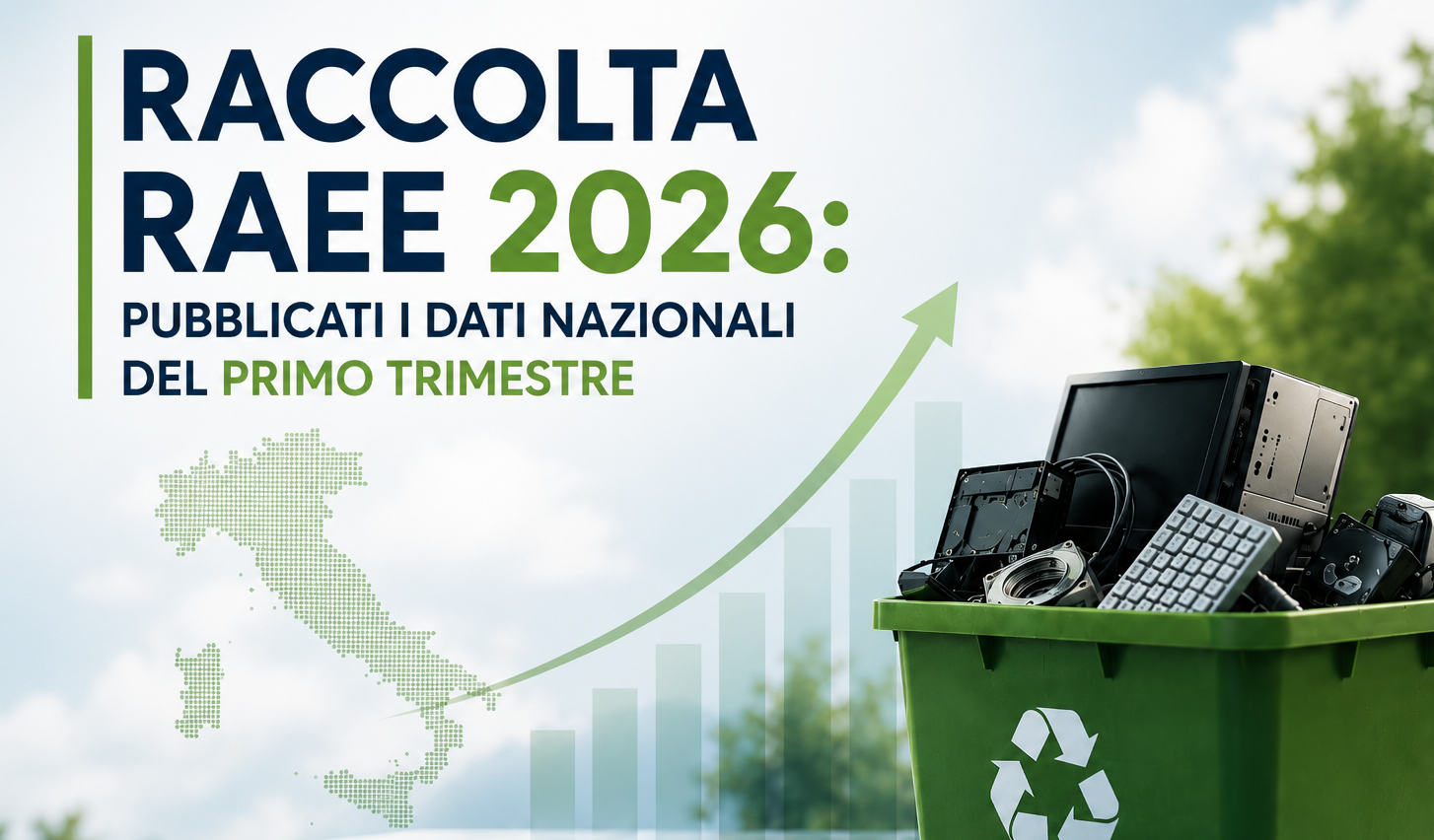

The digital age in which we live has brought with it an exponential growth of computer and telecommunications equipment (WEEE R3). Computers, smartphones, tablets, monitors, printers and many other devices have become an integral part of our daily lives. However, the rapid obsolescence of these products and their subsequent replacement generate an increasing amount of e-waste, with a significant impact on the environment.
Environmental risks and impacts
R3 WEEE contains hazardous substances such as heavy metals (lead, mercury, cadmium), brominated flame retardants, and other harmful chemicals. If disposed of improperly, these materials can contaminate soil and water, causing irreparable damage to the ecosystem. In addition, the recovery of valuable materials such as gold, silver and copper from R3 WEEE is critical to reducing dependence on raw materials and promoting a circular economy.
Data Security
Before disposing of an electronic device, it is essential to protect your personal information. Sensitive information such as bank details, photos and documents can be retrieved by third parties if not deleted properly. Here are some useful tips:
- Secure formatting of hard drives: use specific software to overwrite data multiple times, making it unrecoverable.
- Using data deletion software: there are programs that securely delete files and folders.
- Removing SIM cards and memory cards: be sure to remove all cards before disposing of the device.
Disposal mode
There are several options for properly disposing of R3 WEEE:
- Municipal collection centers: municipal collection centers are authorized collection points where WEEE can be dropped off free of charge.
- "One-for-one" take-back at retailers: when purchasing a new device, the retailer is obliged to take back the old equivalent device free of charge.
- Specialized collection centers: there are specialized collection centers for the treatment of WEEE R3, which ensure efficient material recovery.
- Professional WEEE: when WEEE is generated by professional activities, the management of this waste requires special attention because of the specific regulations and quantities involved.
Recycling and reuse
Recycling R3 WEEE enables the recovery of valuable materials and reduces environmental impact. The recycling process involves separating the different components of devices and treating each material specifically. In addition, the reuse of devices that are still working, through donation or second-hand sale, helps to extend the life cycle of products and reduce the generation of new waste.
Practical advice
- Prolong the life of devices: perform regular maintenance, update software, and use protective cases.
- Purchase devices with a longer life cycle and sustainable design.
- Dispose of batteries properly: spent batteries should be placed in appropriate containers, as they contain hazardous substances.
Conclusion
Proper disposal of R3 WEEE is critical to protecting the environment and preserving natural resources. Each of us can do our part by adopting responsible behavior and informing ourselves about available disposal options. The Sinab Consortium is available to provide information and support in the management of WEEE.